


May 27, 2022
Share this postWhat Is The Best Type Of Non-Return Valve Used On Sewage Pump Stations?
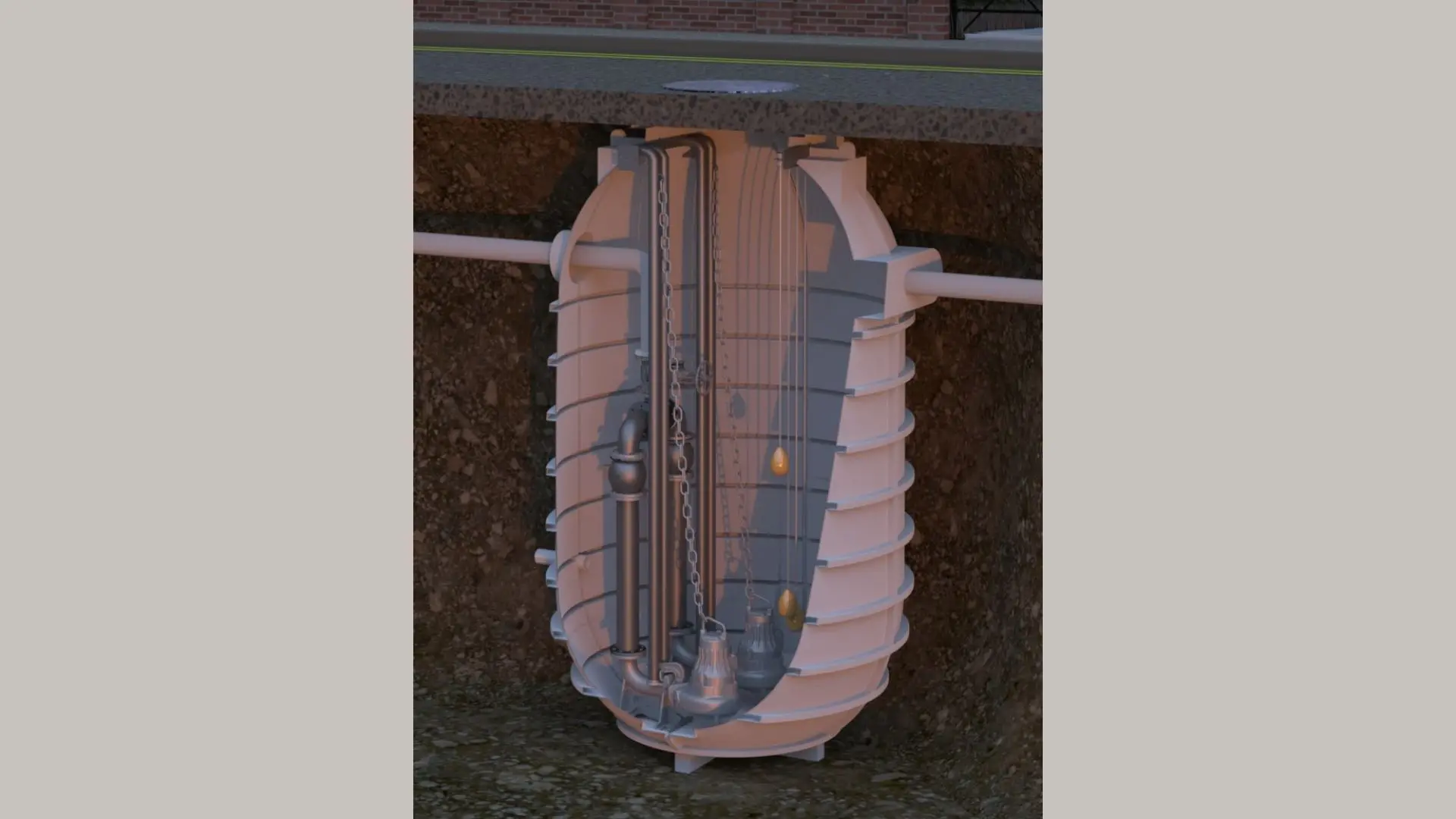
Non-return valves (NRV), also referred to as check valves, prevent the pumped liquid from re-entering the direction it comes from (or flowing back). They are installed on the discharge side of the pump.
There are two main types of non-return valve used in sewage pump stations: the most traditional type is the flap valve, with the newer type being the ball check valve.
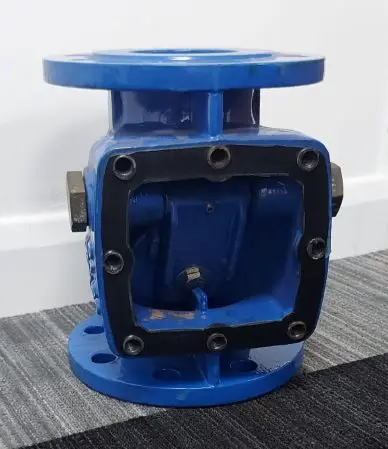
Flap Valves
The flap valve (or swing check valve) is designed to swing in one direction. They simply have a flap which opens with the flow of the liquid being pumped, and then shuts as the liquid tries to return – typically sealing against a brass or rubber seat.
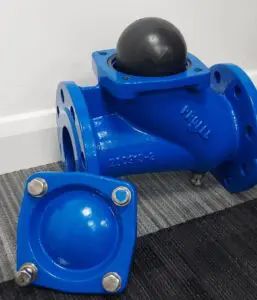
Ball Check Valves
The ball type non-return valve has a rubber ball inside which is pushed out of the way as the flow of the liquid hits the ball. This creates a full bore passage whilst the liquid is being pumped; once the flow is stopped, the ball falls back into position and seals any liquid to pass backwards.
What type of non-return valve is best?
When selecting the right non-return valve for your sewage station, it’s important to consider the key disadvantage of flap valves is that rags, wet wipes and fibrous items can catch onto the edges of it causing blockages, whereas in contrast the round ball option will not allow any debris to attach to it.
With this in mind, Dura Pump always recommends ball check non-return valves as the most efficient and most reliable valve for a sewage pump station. We’ve also proved this by replacing flap NRVs which were experiencing regular blockages with the ball check valves, resulting in fewer blockages and increased efficiency for our customers.
An NRV in a pump setup for sewage and wastewater is crucial to prevent backflow of effluent into the pump or wet well when the pump stops. This protects the pump from damage caused by reverse rotation and prevents contamination of upstream systems, maintaining sanitary conditions.
A non-return valve for a borehole pump extracting wastewater or sewage faces challenges from solids and debris that can cause fouling or blockages, preventing proper closure. These are addressed by using valves specifically designed for wastewater, often featuring full bore designs, robust construction, and sometimes weighted flapper mechanisms to ensure reliable sealing despite the presence of suspended solids.
The primary function of a non-return valve for a borehole pump in a sewage pumping system is to maintain the prime of the pump and prevent the pumped sewage from flowing back down the bore when the pump is turned off. This ensures that the pump doesn’t have to re-prime itself with sewage each time it starts, reducing wear and energy consumption, and preventing contamination of the bore.
The selection of an appropriate NRV in a pump system for municipal wastewater differs significantly from clean water. Wastewater NRVs must be designed to handle corrosive liquids, abrasive solids, and potential clogging. They often feature robust, self-cleaning designs, materials resistant to chemical attack, and larger clearances to pass solids, whereas clean water NRVs can be more delicate and designed for efficiency with clear fluids.
If a non-return valve for a borehole pump fails in a wastewater disposal system, potential consequences include severe backflow of sewage into the borehole or pump, leading to pump damage from reverse rotation, loss of prime, increased energy consumption due to constant re-priming, and significant environmental contamination or health hazards from uncontrolled sewage discharge.
Want to stay up-to-date with the latest news?
Subscribe to our mailing list to hear the latest news, events, free resources, and more for your industry.
Choosing Dura Pump means investing in reliability and safety for your facility. Talk to an expert about your needs